FIELD NOTES / PROPERTY RESEARCH
Buying an older Austin home: build a record before making a plan
The best first question about an older house is not whether it has been updated. It is what changed, what is documented, and what still needs a qualified investigation.
David Eimer — Austin Journal · Researched guide · 2 minute read · Published
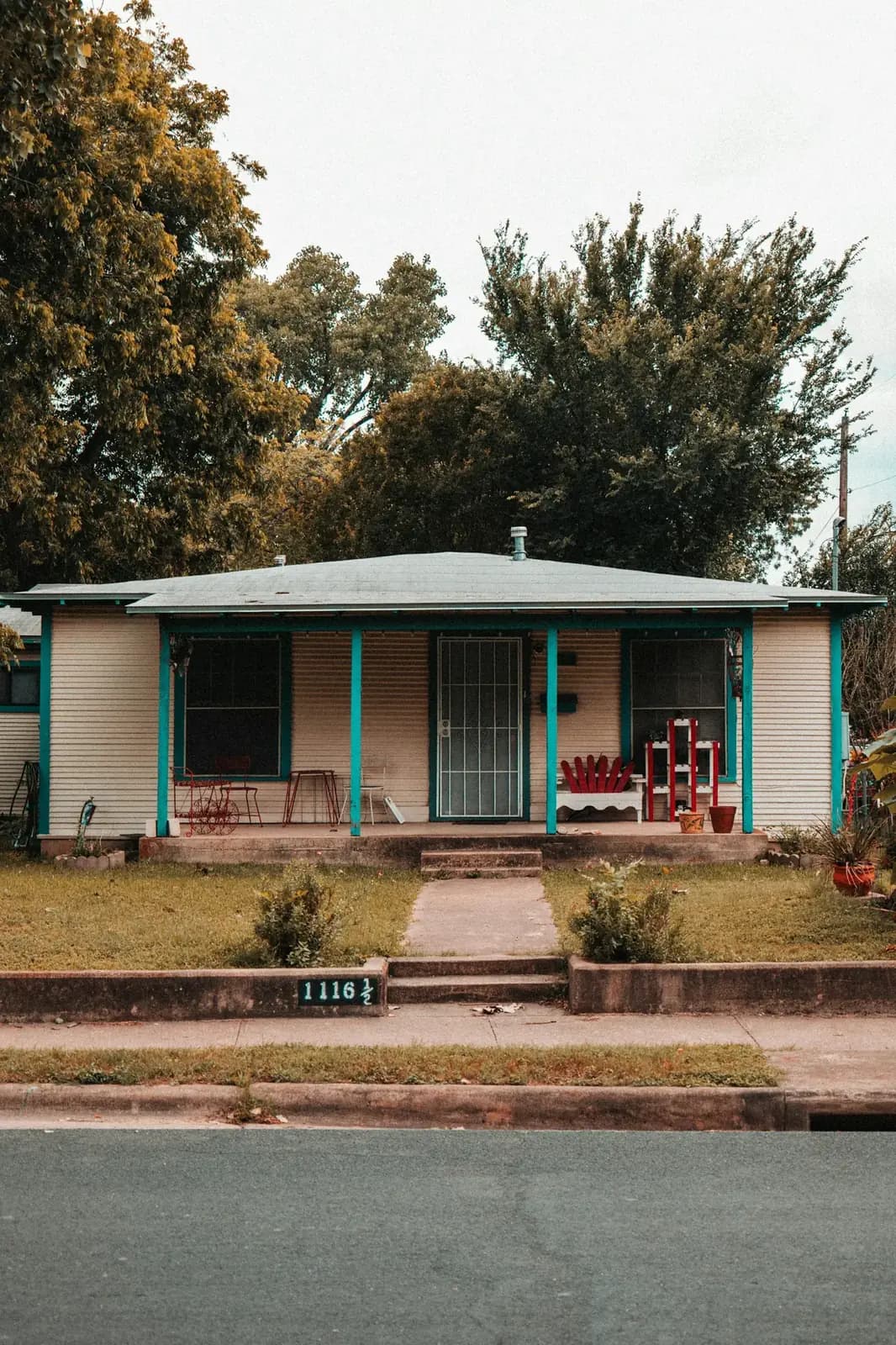
Residential architecture · Austin · Chase Yi · Unsplash
Create a timeline of the house
Ask the seller for a chronology of additions, conversions, major repairs, and system replacements. Put the claimed dates beside supporting permits, invoices, warranties, or inspection reports when available. Gaps are questions to investigate, not automatic proof that work was improper. Your aim is to understand the building's sequence rather than judge it from its finishes.
Compare the visible house with public records
Austin's Property Profile provides a starting point for parcel information, and the City's residential-plan-review guidance points to permit research. Compare the layout you see with the work described in available records. If a room addition or converted space raises questions, ask the relevant City office how to locate further documentation. Keep records research separate from an assessment of construction quality.
Sources: City of Austin: Property Profile overview ↗ · City of Austin: residential plan review and permit research ↗
Give the inspector a useful brief
Tell the inspector about the changes and uncertainties you have identified. Ask which conditions fall within the inspection and which may need a specialist. Do not assume that a new surface means the concealed component beneath it was replaced. Organize the findings by consequence, further investigation, and likely timing, rather than treating every note as equally important.
Check the feasibility of your own changes
Historic status can affect a proposed project. The City offers designated-property maps and historic-resource survey information; a survey listing and a formal designation are different. If your purchase depends on altering the exterior or adding space, get an address-specific review of the proposal. The fact that a nearby house changed does not establish what can be done to yours.
Compare the house as it stands and as a project
Prepare two versions of your decision: living with the existing layout and completing the essential changes. Include qualified cost estimates and unresolved approvals in the second version. If the house only works after a project you cannot yet define, say so. Bring David the documents and questions early enough to organize the next steps around your transaction's actual deadlines.
Take this to your next conversation
- Request a chronology of significant work.
- Match visible changes with available records.
- Separate inspection findings from renovation approvals.
Sources and review date
Sources checked . Planning suggestions are editorial guidance; current property facts and requirements need an address-specific check.
Prepared for the David Eimer Austin Journal from the linked sources.
Bring your questions