FIELD NOTES / AUSTIN OUTDOORS
Use Tarrytown's parks to plan a better home-search visit
Reed and Tarrytown Neighborhood Parks make useful anchors for a West Austin visit. Build the day around the routes between a real home and a public destination.
David Eimer — Austin Journal · Researched guide · 2 minute read · Published
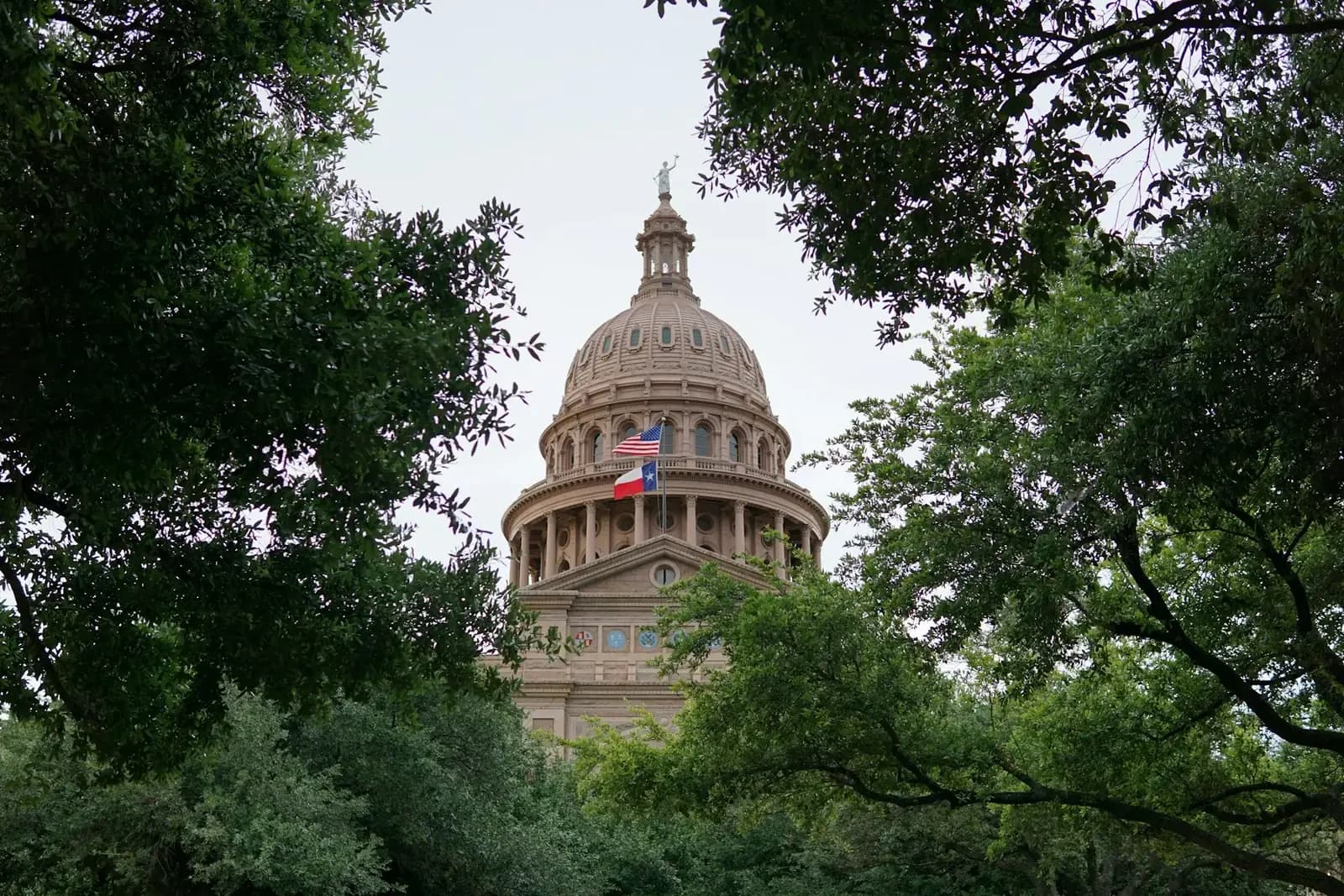
Texas Capitol, Austin · Jessica Wu · Unsplash
Choose two different starting points
The City's directory lists Reed Neighborhood Park at 2614 Pecos Street and Tarrytown Neighborhood Park at 2106 Tower Drive. Locate both before scheduling showings. They give you two concrete points from which to understand the area instead of treating a neighborhood label as a single, uniform place. Check current park information before relying on a particular facility.
Sources: City of Austin: park directory ↗
Build a route from each candidate home
For every address, choose the outing you would actually make: a short walk, a visit with a stroller, or a stop on the way back from work. Trace the complete journey and note gradients, crossings, surface changes, and places to pause. Your route may matter more than the straight-line distance displayed in a listing. Keep notes specific to the address and your own needs.
Look at the lot with the same care
A shaded street can make a strong impression. At the home, separate that general appeal from the condition and placement of individual trees, the usable yard, and drainage questions. Austin's residential-tree guidance explains that regulated trees and work affecting them can require review. If a future addition is important, ask a qualified professional to assess the site before assuming the yard provides a straightforward building area.
Keep water access a separate question
Do not turn a West Austin location, a view, or proximity to a body of water into an assumption of access rights. Ask what access, if any, is included in the actual property documents. Identify the specific entrance or facility being discussed. This is an address-level investigation, and a public park visit cannot answer it for a private parcel.
End the visit with a smaller shortlist
After visiting, sort your notes into things observed, things reported by someone else, and things still needing verification. A route you enjoy is an observation. A seller's description of drainage is a report. A proposed alteration is still a question until the relevant professionals and records support it. That simple separation makes the next conversation with David more productive.
Take this to your next conversation
- Use current official park locations.
- Test routes with your actual mobility and schedule in mind.
- Keep tree, drainage, and access questions tied to the parcel.
Sources and review date
Sources checked . Planning suggestions are editorial guidance; current property facts and requirements need an address-specific check.
Prepared for the David Eimer Austin Journal from the linked sources.
Bring your questions