FIELD NOTES / A SENSE OF PLACE
Exploring Clarksville: learn the community before choosing a house
A thoughtful Clarksville visit starts with the community's history and continues with the responsibilities of a particular property. Architecture is only one part of the story.
David Eimer — Austin Journal · Researched guide · 2 minute read · Published
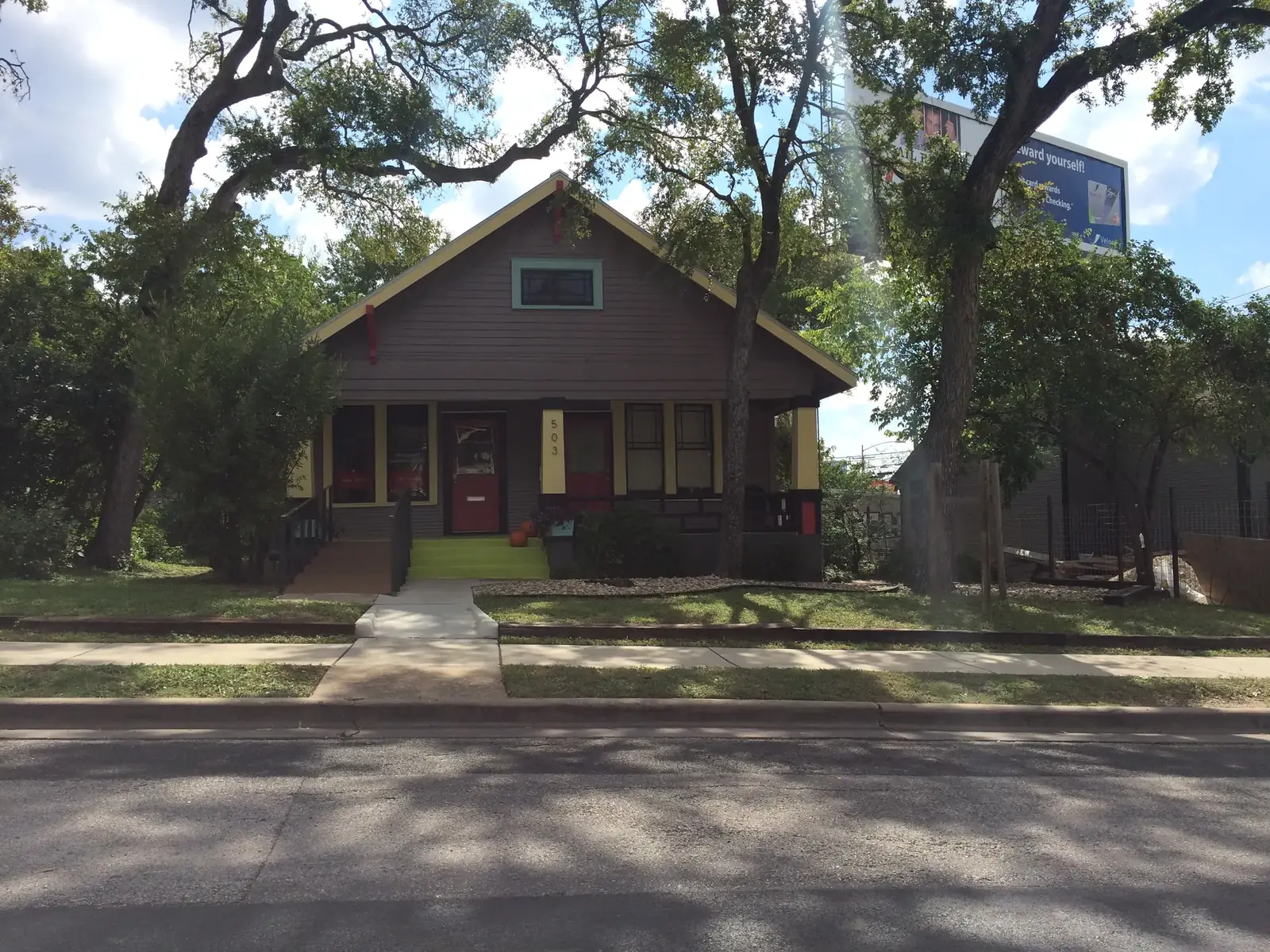
West Line Historic District, Austin · Mwhitman6 · CC BY-SA 3.0 · Wikimedia Commons
Start with the people preserving the story
The Clarksville Community Development Corporation describes work centered on the neighborhood's history, affordable housing, and community life. Its programs connect current residents with the original community and its descendants. Read that account before setting out. It helps frame the neighborhood as a place with ongoing responsibilities and relationships, rather than a collection of picturesque houses.
Sources: Clarksville Community Development Corporation: our missions ↗
Make a respectful public-street visit
Plan a walk on public routes, observe buildings from appropriate public viewpoints, and respect residents' privacy. Notice how porches, sidewalks, gardens, and commercial destinations connect. A photograph taken for a home search should help you remember a practical feature, not intrude into private space. If you want a guided historical experience, use the community organization's current information rather than assuming a building is open.
Separate the history of a place from a legal designation
The City distinguishes several forms of historic recognition and provides a viewer for designated properties. Check the actual parcel and any relevant survey information. A house can contribute to your experience of an old neighborhood without having the same formal status as the next one. Ask the preservation office to clarify the status if your purchase depends on future work.
Bring a precise renovation question
Instead of asking whether an older home can be updated, describe the change: replacing a porch, altering an opening, adding space, or changing a site feature. Austin's historic-review guidance identifies the review process for different kinds of work. A specific question gives the right professional a chance to identify constraints early. Preserve that answer in the property file and distinguish it from a seller's informal expectation.
Sources: City of Austin: historic review ↗
Find a house that supports your actual life
History may draw you to the neighborhood, but the purchase still needs to work as a home. Test parking, deliveries, privacy, storage, and the routes you repeat. Consider whether the house is comfortable as it exists or only after a substantial project. Share those practical findings with David alongside the features that first caught your attention.
Take this to your next conversation
- Read the community organization's account of the neighborhood.
- Keep visits and photography respectful of private homes.
- Verify parcel status before assigning value to alteration plans.
Sources and review date
Sources checked . Planning suggestions are editorial guidance; current property facts and requirements need an address-specific check.
Prepared for the David Eimer Austin Journal from the linked sources.
Bring your questions