FIELD NOTES / PROPERTY RESEARCH
Austin zoning and deed restrictions: two different checks before a project
A property's zoning is one part of its development story. Private restrictions, site conditions, and the details of your proposal may require separate investigation.
David Eimer — Austin Journal · Researched guide · 2 minute read · Published
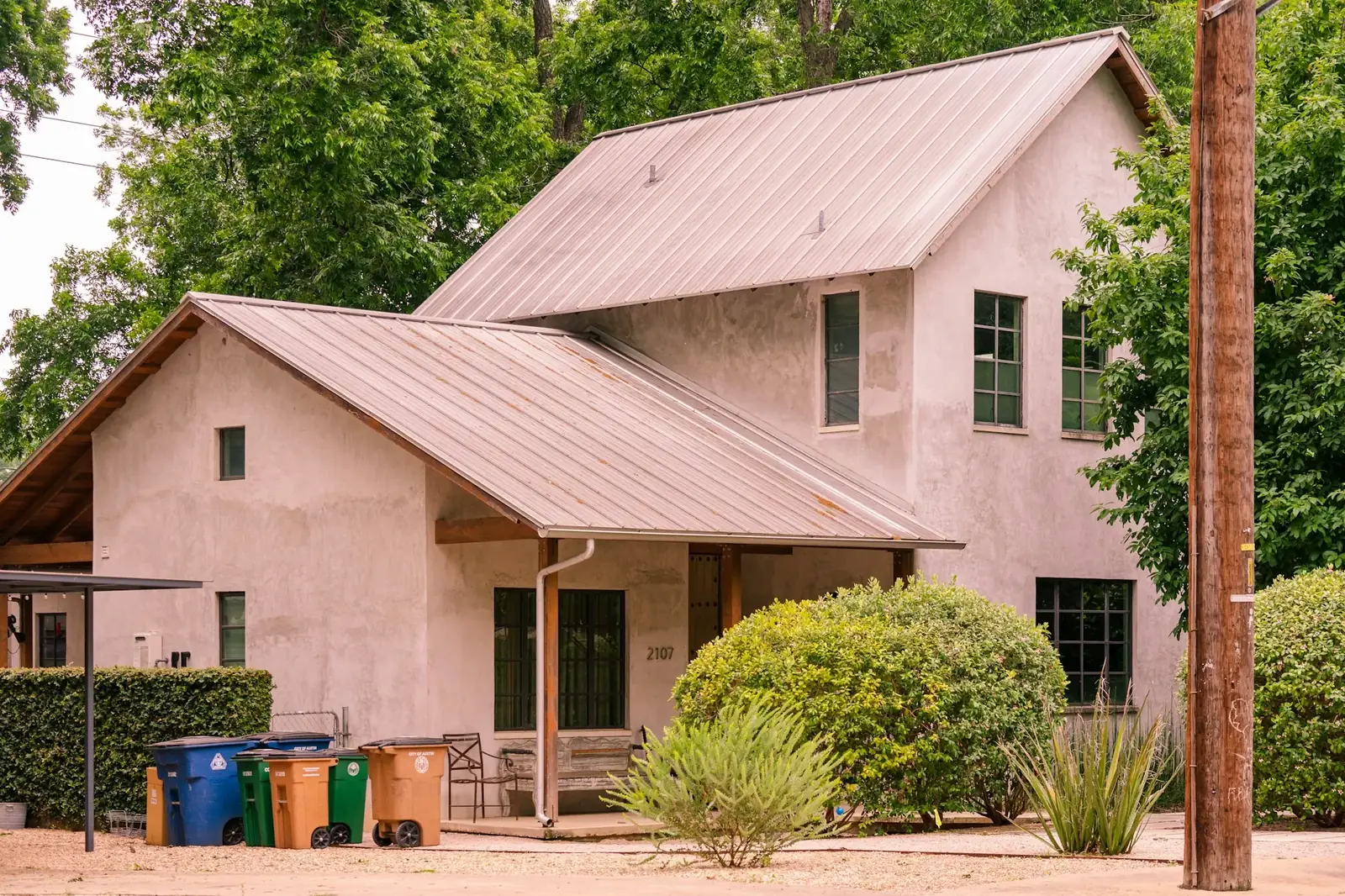
Residential architecture · Austin · Avi Werde · Unsplash
Define the project before asking if it is allowed
Write a plain description of the use or alteration you have in mind. Include the structure, approximate location, access needs, and anything essential to how you would use it. A broad idea such as adding flexibility can mean several very different projects. The clearer the description, the more useful the response from the City, a designer, or legal counsel.
Check public rules for the exact parcel
Austin's Property Profile is a starting point for parcel and zoning context. Use it to identify questions, then confirm the applicable requirements with the relevant City office. A map label is not a complete project approval. Save the address and the information reviewed so the next professional can work from the same starting point.
Request the private documents as well
The City's deed-restriction guidance explains that restrictions can run with the land and that enforcement may be a civil matter between the named parties. City rules and private restrictions therefore need separate attention. Ask for the relevant recorded documents and have qualified legal counsel interpret issues that affect your proposed use. Do not assume a City-compliant idea resolves private obligations.
Sources: City of Austin: deed restrictions and development ↗
Add the physical site to the conversation
Even before a final design, consider access, existing structures, drainage, and trees. Austin's tree guidance describes review for work affecting regulated trees and their root zones. Put these constraints on the same plan as the proposed use. Asking about one rule at a time can conceal a conflict that only becomes visible when the full project is considered.
Keep assumptions out of the purchase price
Make a list of what has been confirmed, by whom, and for what proposal. Keep tentative suggestions separate from written determinations or professional advice. If an essential use remains uncertain, discuss that uncertainty with David and the appropriate specialists before relying on it. A neighboring project or an enthusiastic listing description is not a property-specific answer.
Take this to your next conversation
- Describe the proposed use precisely.
- Research public requirements and private restrictions separately.
- Track confirmed answers and unresolved assumptions.
Sources and review date
Sources checked . Planning suggestions are editorial guidance; current property facts and requirements need an address-specific check.
Prepared for the David Eimer Austin Journal from the linked sources.
Bring your questions